
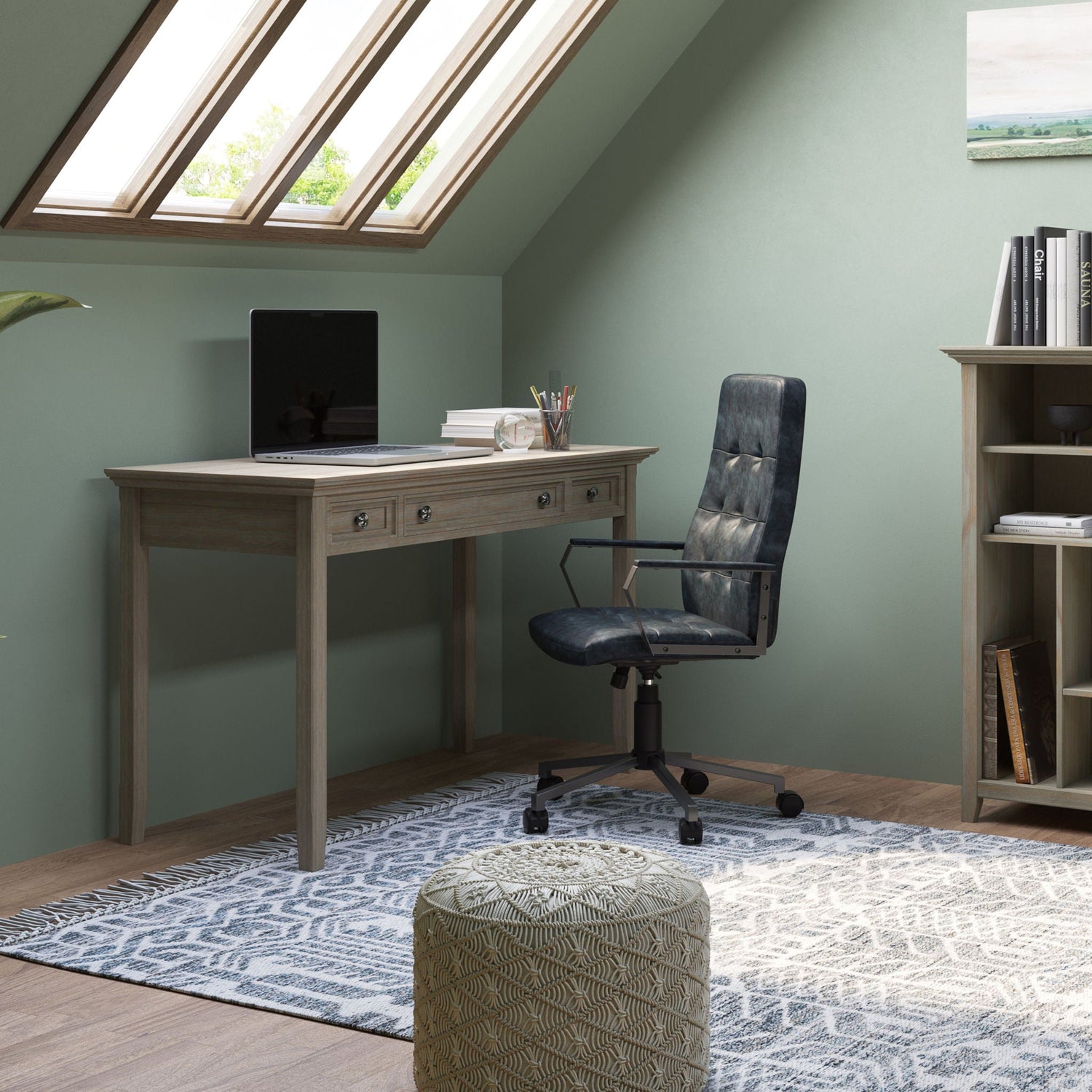
Working from home is now the norm, but most setups still fall short where it matters most, the desk. If your workspace feels cluttered, cramped, or uncomfortable, your productivity will suffer no matter how motivated you are.
Whether you are searching for a desk with storage, a compact option for a small space, or a setup that can handle long work hours, choosing the right desk is the first step toward a more efficient workspace.
The right home office desk changes that. It creates structure, keeps your workflow organized, and supports better posture throughout the day.
What Makes a Home Office Desk Productive?
A productive desk setup is one that supports your workflow, reduces distractions, and keeps everything within reach.
The most effective home office desks typically include:
- Enough surface space for your work
- Built-in storage like drawers or shelves
- Proper height for ergonomic posture
- Smart features like cable management
Desks designed with storage and layout in mind help reduce clutter, which improves focus and efficiency.
Best Types of Home Office Desks for Productivity
1. Desks with Drawers and Storage
If you struggle with clutter, this is your best option.
Home office desks with drawers or built-in cabinets allow you to keep documents, accessories, and daily essentials organized without overcrowding your workspace.
Many modern designs now combine drawers with open shelving, giving you both hidden and accessible storage.
👉 Ideal for:
- Remote workers handling documents
- Small offices needing organization
- Anyone wanting a clean desk surface
You can pair these desks with file cabinets for additional storage and better organization.
2. L-Shaped Desks for Maximum Workspace
L-shaped desks are one of the most productive setups available.
They give you two working zones, perfect for multitasking, dual monitors, or separating work and personal tasks. They also fit neatly into corners, making them efficient for both large and small spaces.
Many L-shaped desks now come with drawers, shelves, and cable management built in, making them a complete workstation.
👉 Ideal for:
- Multi-monitor setups
- Professionals managing multiple tasks
- Corner spaces
3. Adjustable Standing Desks
Standing desks are becoming a standard for productivity in 2026.
They allow you to switch between sitting and standing, which improves posture and reduces fatigue during long work sessions. Many models now include dual motors, adjustable height presets, and cable management systems.
👉 Ideal for:
- Long working hours
- Health-conscious users
- Flexible work routines
4. Compact Desks for Small Spaces
Not everyone has a dedicated office room, and that’s okay.
Compact desks are designed for apartments and small spaces. Many include vertical storage options like shelves or hutches to maximize space without increasing the footprint.
👉 Ideal for:
- Small apartments
- Bedroom offices
- Minimalist setups
5. Executive Desks for Professional Setups
If you want a workspace that feels premium and organized, executive desks are worth considering.
These desks offer large surfaces, built-in storage, and a professional appearance. They are ideal for people who need space for multiple devices, paperwork, and accessories.
👉 Ideal for:
- Full-time remote professionals
- Large home offices
- High-performance work setups
Key Features to Look for in a Home Office Desk
1. Storage Options
Look for desks with:
- Drawers
- Filing cabinets
- Shelves or hutches
Storage keeps your workspace clean and reduces distractions.
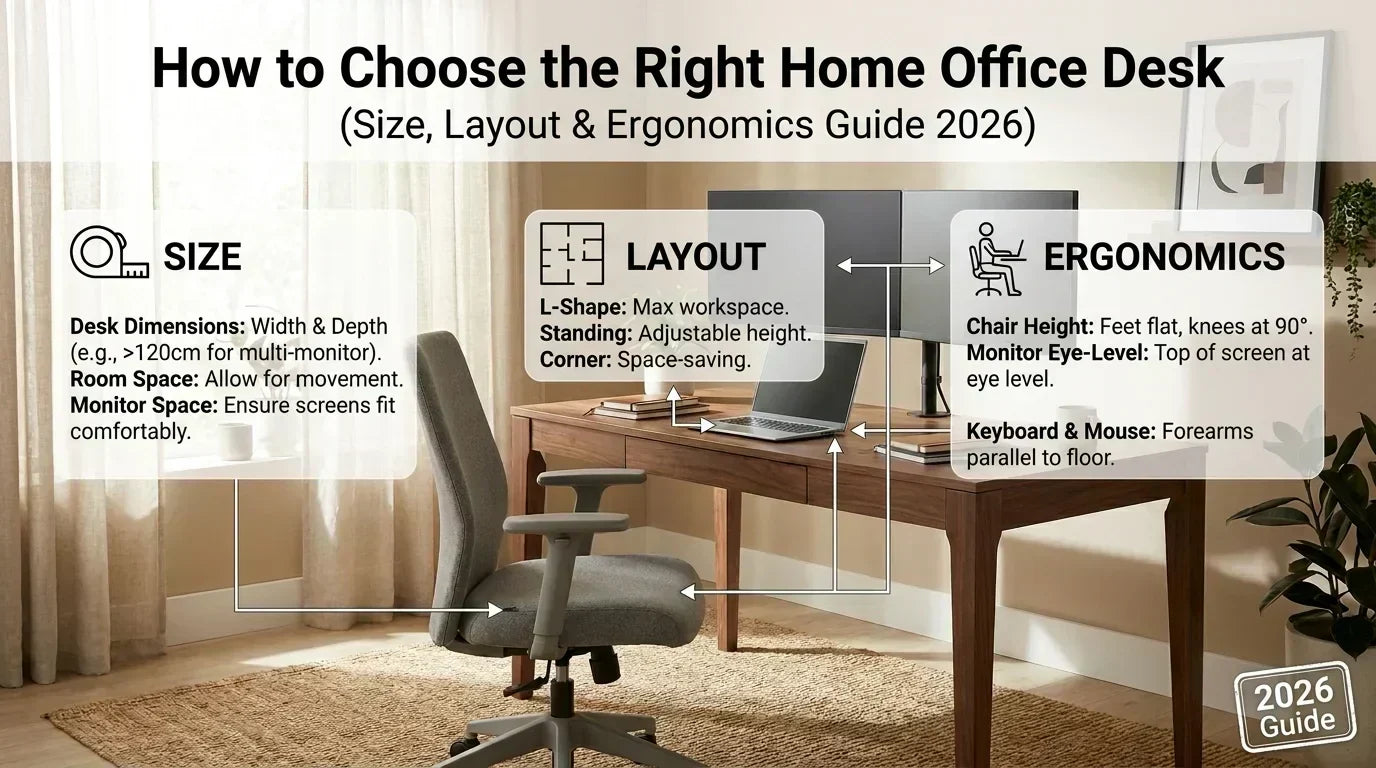
2. Desk Size and Layout
Choosing the right size is critical.
- Small rooms → compact or corner desks
- Medium spaces → L-shaped desks
- Large offices → executive desks
A desk that’s too small quickly becomes frustrating.
3. Cable Management
Messy cables create visual clutter and distraction.
Modern desks include built-in cable management systems to keep your setup clean and organized.
4. Ergonomic Compatibility
Your desk should work with your ergonomic chair, not against it.
Make sure:
- Your elbows are at a 90-degree angle
- Your monitor is at eye level
- Your posture is supported
How to Choose the Right Desk for Your Space
For Small Spaces
- Choose compact desks with storage
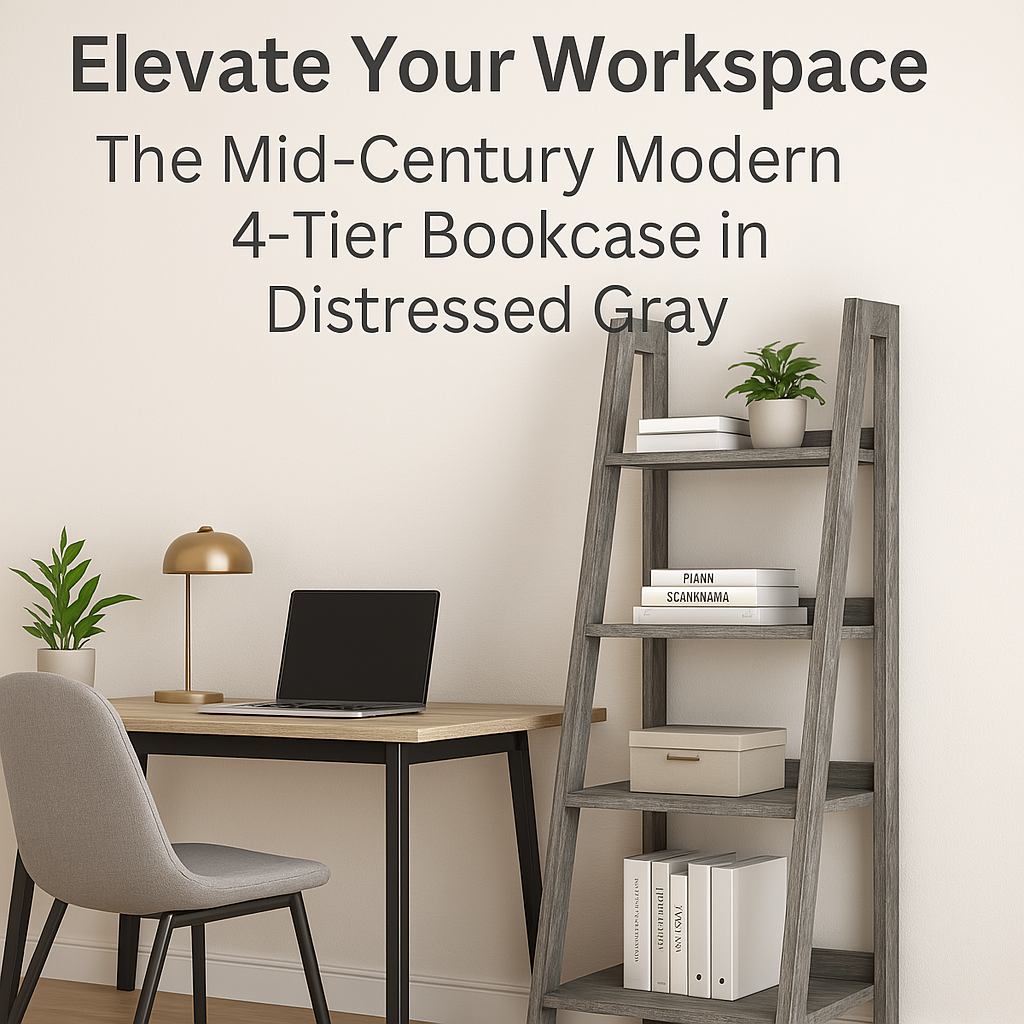
- Use vertical shelves or bookcases
- Keep the design minimal
For Productivity-Focused Setups
- Go for L-shaped desks
- Add dual monitors
- Use storage solutions to reduce clutter
For Long Work Hours
- Choose adjustable or ergonomic desks
- Pair with a high-quality ergonomic chair
- Focus on comfort and flexibility
Real User Insight (What Actually Matters)
From real workspace discussions, one thing stands out:
Desk depth and workspace layout matter just as much as width. Shallow desks quickly feel cramped, especially with monitors and accessories.
Many users prefer desks with extra surface space or L-shaped designs to avoid constantly adjusting their setup.
Common Mistakes to Avoid
- Choosing style over function
- Buying a desk without storage
- Ignoring ergonomics
- Getting a desk that’s too small
- Not planning for cables and accessories
These mistakes reduce productivity over time.
Final Thoughts
The best home office desk for productivity isn’t the most expensive one. It’s the one that fits your space, supports your workflow, and keeps your setup organized.
Upgrade Your Home Office Setup
Explore collections for:
Home office desks with storage
File cabinets and storage solutions
Desk lighting for better focus
Ergonomic chairs for long hours
Executive desks for professional setups
A better desk isn’t just furniture it’s a productivity upgrade.
FAQs (Optimized for Rich Snippets)
What is the best desk for a home office in 2026?
The best desk depends on your needs. L-shaped desks are ideal for multitasking, while desks with drawers are best for organization. Adjustable standing desks are popular for improving posture and productivity.
Are desks with drawers better for productivity?
Yes. Desks with drawers help reduce clutter, keep essentials organized, and create a cleaner workspace, which improves focus.
What size desk is best for a home office?
A desk should be large enough to fit your monitor, keyboard, and accessories comfortably. For small spaces, compact desks work best, while larger setups benefit from L-shaped or executive desks.
Are standing desks worth it?
Standing desks are worth it if you work long hours. They allow you to alternate between sitting and standing, reducing fatigue and improving posture.
How do I choose a desk for a small space?
Choose compact desks with built-in storage or vertical shelving. Corner or L-shaped desks are also great for maximizing space.

Leave a comment
This site is protected by hCaptcha and the hCaptcha Privacy Policy and Terms of Service apply.